MAVERICKSMEDIA INSIGHTS

A practical way to budget for a new website.

A website can mean a five-page brochure site, a large business website, an ecommerce store or a custom application. Those projects have very different discovery, design, development and testing requirements. Compare scope—not just the headline price.

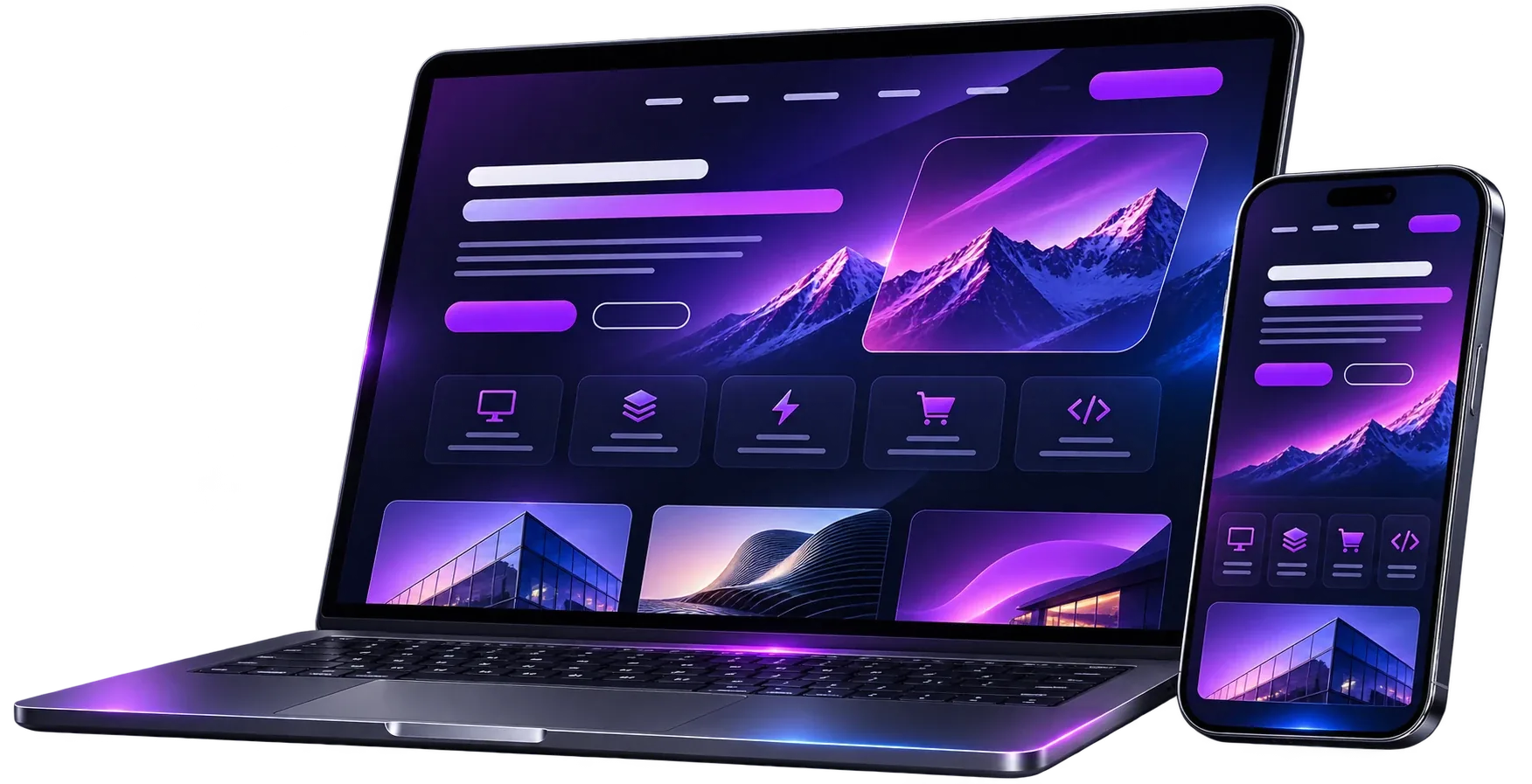
MavericksMedia website design showcase

Start with the type of website

A focused business website usually needs a clear homepage, service information, about section, contact journey and supporting pages. More complex sites may require location pages, resource libraries, booking, portals, ecommerce or custom integrations.

What changes the price?

The main cost drivers are the number of unique page layouts, content preparation, custom design, platform choice, accessibility and responsive requirements, integrations, data migration, ecommerce catalogue complexity, testing and project management.

How to compare proposals

Ask what page count means, how many unique templates are included, who writes the content, how many review rounds are allowed, what happens when requirements change and whether hosting, licences and ongoing support are separate.

MavericksMedia starting packages

Our proposed starting prices are $1,599 CAD for Essential (up to 5 pages), $2,999 for Business Growth (up to 10 pages), Ecommerce from $4,499 and Custom Development from $6,000. Final scope is confirmed in a written proposal and applicable taxes are additional.

Plan for launch and ownership

A good proposal should explain who provides copy and images, how forms and analytics are tested, who owns platform accounts, how backups are handled and what support is available after launch.

How MavericksMedia can help

Every business starts from a different place. We can review your current website, priorities and resources, then recommend a practical next step based on the work required.

Talk to MavericksMedia about your project →

The number of pages is only one part of the estimate

Unique page layouts, brand exploration, content writing, product data, integrations and custom interactions all affect effort. A 10-page site with one reusable service template can be simpler than a 5-page site with five unique experiences. Ask the agency to distinguish page count from unique templates.

Content responsibilities also matter. If the client supplies approved copy and images, the project may need less content-production time. If the agency is expected to write service pages, source imagery, migrate a blog or prepare product descriptions, those tasks should be scoped explicitly.

Compare deliverables line by line

  • Number of pages and unique page templates.
  • Responsive design and browser/device testing.
  • CMS, editor training and ownership of accounts.
  • Contact forms, analytics and integrations.
  • On-page SEO fields, heading hierarchy and sitemap setup.
  • Revision rounds, launch support and post-launch care.

Compare what the proposal excludes as carefully as what it includes. Hosting, domain renewals, premium plugins, paid stock photography, copywriting and ongoing maintenance may be separate costs.
Prioritize the launch version

List the pages and functionality required for launch, then separate later enhancements into a second phase. This prevents a project from becoming overloaded with optional features before the core website is clear. Reuse a consistent page system where it makes sense, prepare content early and identify integrations before design approval.

For a small business site, the first release may focus on the homepage, core service pages, about, contact and a few trust-building resources. A store or portal needs more planning because checkout, data and operational workflows affect the build.